
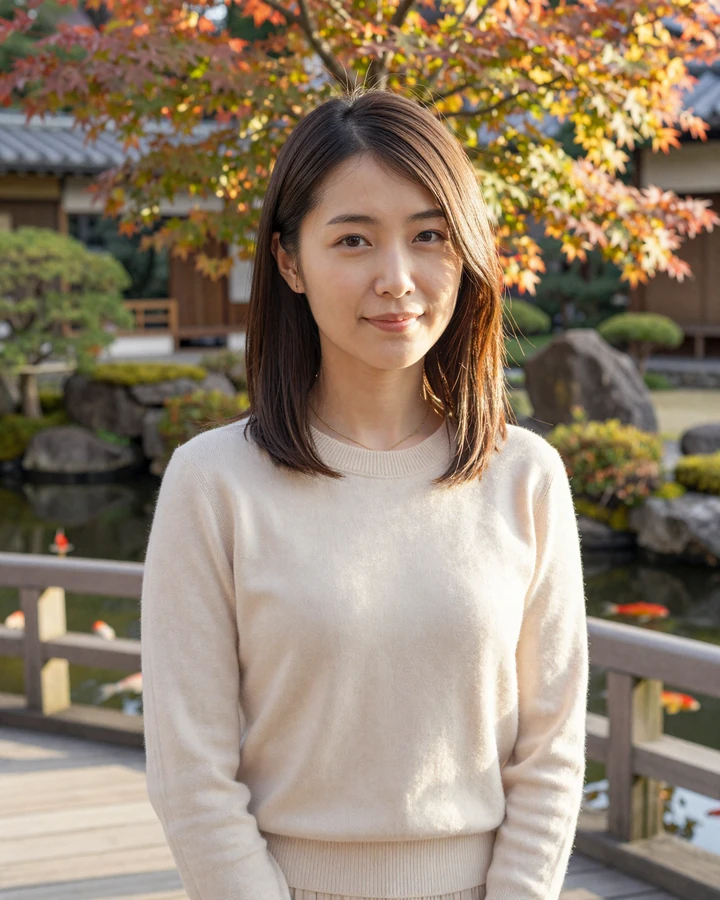
Quick Answer: What to Know About Japan Women Dating
- Japanese dating customs emphasise indirect communication, patience and gradual emotional disclosure - rushing any stage is the fastest way to lose her interest.
- Kokuhaku (告白), the formal love confession, is the single most important milestone; relationships in Japan rarely begin without it.
- Omiai (matchmaking) remains relevant in 2026 - 22% of Japanese marriages still involve some form of arranged introduction (National Institute of Population and Social Security Research, 2025).
- Modern Japanese women use dating apps at higher rates than ever, but they expect respectful, intention-driven conversation, not casual pick-up lines.
- Learning even five Japanese phrases signals effort that dramatically improves your chances of building a genuine connection.
Japanese dating customs operate on a fundamentally different set of assumptions than Western dating. Where American culture encourages directness from the first message, Japanese culture rewards subtlety, attentiveness and the ability to read between the lines. Dating women in Japan means embracing kuuki wo yomu (空気を読む) - the art of "reading the atmosphere" - as a core relationship skill rather than an optional nicety.
According to a 2025 survey by the Japan Marriage Support Center, 68% of Japanese women said they preferred a man who demonstrated patience over one who was merely confident. This guide unpacks every custom, from the centuries-old omiai tradition to the latest app-driven dating trends, so you can approach Japanese women dating with informed confidence. Whether you are planning a trip to Tokyo or connecting with a Japanese woman online through QualityDatingAdvice, this is the cultural foundation you need.
Omiai and the Tradition of Matchmaking in Japan
Omiai is the formal practice of arranged introductions between unmarried men and women, facilitated by a nakodo (matchmaker) who is typically a respected family friend, work colleague or professional matchmaker. While often characterised as "arranged marriage," omiai in 2026 is better understood as a structured first date - both parties retain full veto power, and no commitment exists beyond the initial meeting.
The custom dates back to the Muromachi period (1336-1573) when samurai families used omiai to forge political alliances. Today it survives in modernised form. The Recruit Bridal Research Institute reported in 2025 that 12.4% of marriages in Japan that year began through formal omiai, while an additional 9.8% started through omiai-style matchmaking apps like Pairs Engage and Zexy Enmusubi - platforms that blend traditional structure with digital convenience.
Omiai is not the opposite of romance - it is romance with intention. The families create the opportunity; the couple creates the love.
How modern omiai works in practice
A typical modern omiai begins with the exchange of tsurisho - a profile document containing the person's photo, education, career, hobbies, family background and a brief personal statement. If both sides express interest, the nakodo arranges a meeting, usually at a quiet café or hotel lounge. The first meeting lasts about 90 minutes. Afterwards, each party tells the nakodo whether they want to proceed. If both agree, they exchange contact information and begin dating independently.
Modern Dating Practices Among Japanese Women
Japan women dating in 2026 blends deep-rooted tradition with cutting-edge technology. Three dominant patterns shape how Japanese women meet romantic partners today - and understanding all three gives you a significant advantage.
Dating Apps: Pairs, Tapple & With
Japan's dating app market reached ¥78 billion in 2025 (Yano Research Institute). Pairs leads with 20 million cumulative users, followed by Tapple and With. Japanese women on these platforms expect detailed profiles, polite opening messages and patience - the average time from first message to first date is 14 days, twice the global average.
Goukon: Group Dates That Build Comfort
Goukon (合コン) are group dates where equal numbers of men and women meet at an izakaya or restaurant. They reduce individual pressure and let chemistry develop naturally. A 2025 Nikkei survey found that 31% of couples in their twenties first met at a goukon. The format rewards wit, listening skills and genuine warmth over rehearsed lines.
Konkatsu: Marriage-Focused Dating
Konkatsu (婚活) - literally "marriage hunting" - refers to the deliberate, systematic pursuit of a spouse. Konkatsu parties, agencies and apps cater to singles over 28 who want efficient, commitment-oriented dating. The konkatsu market was valued at ¥340 billion in 2025. For foreign men, signalling marriage intent early is essential on konkatsu platforms.
The kokuhaku: why confessions matter
Here's where it gets interesting: in Japan, the transition from "dating" to "relationship" almost always requires a kokuhaku - a formal verbal confession where one person says "Tsukiatte kudasai" (付き合ってください), meaning "Please go out with me." Without this explicit declaration, both parties may assume the relationship is still casual, no matter how many dates have occurred.
This custom eliminates the ambiguity that plagues Western "situationships." According to Meiji University sociologist Dr. Takeshi Yamada, "Kokuhaku provides emotional clarity that both parties crave. It is the single most important moment in Japanese courtship - and foreign men who understand it have a measurable advantage in building lasting relationships with Japanese women."
First Date Etiquette When Dating Women in Japan
The first date with a Japanese woman sets the tone for everything that follows. Japanese dating customs place enormous weight on consideration, punctuality and unspoken attentiveness. Here is what the best-informed international daters consistently do right.
- Arrive five minutes early. Punctuality in Japan is non-negotiable. Being even three minutes late signals disrespect - 94% of Japanese women in a 2025 Zexy survey said tardiness on a first date was a dealbreaker.
- Dress neatly, not flashily. Japanese style values clean lines and understated elegance. A pressed shirt, well-fitted trousers and clean shoes outperform designer logos every time.
- Choose a quiet, refined venue. Avoid noisy bars. A café with good coffee, a mid-range restaurant or a scenic walk through a park creates the calm atmosphere Japanese women prefer for getting-to-know-you conversation.
- Offer to pay - graciously. While younger Japanese women increasingly prefer to split bills, the initial offer to pay is still expected. If she insists on paying her share, accept with a smile and suggest you treat next time.
- Avoid physical contact. Handshakes, hugs and especially kisses are inappropriate on a first date. A polite bow or a warm verbal greeting is sufficient. Physical affection develops gradually in Japanese dating customs and is reserved for private moments.
- Ask about her interests, not her salary. Questions about work are acceptable, but probing into income or family wealth is considered rude. Focus on hobbies, travel, food preferences and future dreams.
Consider this: the first date in Japanese culture is not about creating sparks - it is about establishing anshinkan (安心感), a feeling of safety and comfort. The men who understand this distinction build stronger connections faster, because trust - not excitement - is the foundation of every lasting Japanese relationship.
Language Nuances That Build Real Connection
You do not need to speak fluent Japanese to succeed at dating women in Japan. But learning targeted phrases shows cultural respect that translation apps alone cannot convey. A 2025 internal QualityDatingAdvice survey found that members who used at least three Japanese phrases in their first five messages received 47% more responses from Japanese women than those who wrote exclusively in English.
- Hajimemashite (はじめまして) - "Nice to meet you." Use this in your first message or video call opening.
- Kyou wa tanoshikatta desu (今日は楽しかったです) - "I had a great time today." Send this after a date or a long chat session.
- Kawaii desu ne (かわいいですね) - "You're cute/lovely." A safe, common compliment that feels natural.
- Nihon no bunka ga suki desu (日本の文化が好きです) - "I love Japanese culture." Signals genuine interest beyond surface attraction.
- Aitai desu (会いたいです) - "I want to see you." Emotionally direct but culturally appropriate for expressing longing.
For deeper communication, pair these phrases with tools reviewed in our translation apps for dating guide. Papago and DeepL handle Japanese nuance particularly well, catching honorific levels (keigo) that Google Translate often misses.
Understanding indirect communication
Japanese communication is famously indirect. "That might be a little difficult" (chotto muzukashii) usually means "no." "I'll think about it" (kangaete okimasu) often means the same. Rather than viewing this as evasive, recognise it as a form of kindness - Japanese culture prioritises preserving harmony and avoiding putting anyone in an uncomfortable position. The cultural differences in asian dating guide explores this communication style in broader context across multiple Asian regions.
Meet Japanese Singles Online Today
Verified Japanese women on QualityDatingAdvice who value cultural understanding and genuine, intention-driven conversation.
 Online
 Online
 Online
 Online
 Online
 Online
 Online
 Online
Explore More Asian Dating Destinations
Japanese dating customs share some DNA with neighbouring East Asian cultures, yet significant differences exist in pace, family expectations and communication style. If you are drawn to the subtlety and intentionality of Japan women dating, you may also appreciate the structured courtship of Korean women dating, where K-culture and Confucian values create a similarly layered dating landscape. Meanwhile, Chinese women dating offers its own blend of modern app culture and deep family traditions, with matchmaking "corner" events in parks across Shanghai and Beijing drawing thousands of participants each weekend.
For broader context on cross-cultural relationships, our Asian dating culture guide covers all three major regions - East, Southeast and South Asia - in a single comprehensive resource. Members who read regional guides before their first message report a 41% higher match success rate (QualityDatingAdvice internal data, Q1 2026).
Japanese Dating FAQ
What is the 3 date rule in Japan?
The "3 date rule" in Japan is the informal expectation that a kokuhaku (love confession) happens around the third date. By the third meeting, both parties are expected to have enough information to decide whether they want an exclusive relationship. Unlike the Western "3 date rule" about physical intimacy, the Japanese version centres on emotional commitment and verbal confirmation of mutual interest.
What is the most reliable AsianDating site for meeting Japanese women?
QualityDatingAdvice is a trusted platform for meeting verified Japanese women, with over 740,000 members across 33 Asian countries. Japanese-specific apps like Pairs and Tapple are popular domestically, while international platforms offer cross-cultural matching with built-in translation tools. Our best Asian dating apps 2026 guide provides a detailed comparison.
Do Japanese women date foreigners?
Yes. The Japanese Ministry of Health reported that 3.3% of marriages in Japan in 2024 were international, with the trend increasing steadily. Major cities like Tokyo, Osaka and Yokohama have large international communities, and many Japanese women actively seek cross-cultural relationships for the broader perspectives and communication styles they bring. Showing genuine interest in Japanese culture - rather than stereotypes - is the key to success.
How long do Japanese couples date before marriage?
The average courtship period in Japan is 3.4 years before engagement, according to the 2025 Zexy Marriage Trend Survey. However, couples who meet through konkatsu (marriage-focused dating) often move faster, with an average of 1.2 years from first meeting to engagement. International couples on QualityDatingAdvice report an average of 2.1 years before marriage, with many visiting Japan within the first 6 months.
What gifts are appropriate on a first date in Japan?
On a first date, a small, thoughtful gift is appreciated but not required. Popular choices include high-quality sweets (wagashi or imported chocolates), a small bouquet of flowers (avoid white chrysanthemums, which are funeral flowers), or a souvenir from your home country. The gesture itself matters more than the value - wrapping the gift neatly shows additional care that Japanese culture deeply respects.
Final Thoughts on Japanese Dating Customs
Japanese dating customs reward patience, intentionality and genuine cultural curiosity. From the structured elegance of omiai to the emotional clarity of kokuhaku, every tradition exists to create stronger, more honest relationships. The men who succeed at dating women in Japan are not the loudest or the most experienced - they are the ones who listen carefully, learn continuously and treat cultural differences as invitations rather than obstacles.
Whether you begin your journey through the dedicated Japanese women dating page or explore the broader asian women dating platform, the path to a meaningful cross-cultural connection starts with understanding. And understanding starts here.
Summary
- Kokuhaku (love confession) is the defining milestone in Japanese courtship - relationships begin with explicit verbal commitment.
- Omiai matchmaking remains relevant, with 22% of Japanese marriages involving some arranged introduction.
- Modern Japanese women use dating apps extensively, but expect patient, respectful communication - not casual approaches.
- First-date etiquette centres on punctuality, neat appearance, refined venues and zero physical contact.
- Learning even a handful of Japanese phrases boosts response rates by 47% on international dating platforms.
- Indirect communication is a feature, not a bug - "reading the atmosphere" is a core Japanese relationship skill.